
In the UAE, every business activity operates under a defined legal structure, and each license is designed for a specific purpose. Selecting the wrong one can restrict your operations, delay approvals, or even expose you to compliance risks.
A commercial license in Dubai is designed specifically for businesses that deal with trading goods, e-commerce, and commercial services. So, if you are thinking of starting your business in Dubai that involves buying, selling, trading goods or commercial services, it is essential to secure a commercial licence first.
With the right guidance, this process can be faster, clearer, and fully aligned with your business goals. Shuraa India supports entrepreneurs and businesses with end-to-end assistance. We help you choose the right license and jurisdiction. We also take care of your documentation and approvals, so you can focus on building your business with confidence.
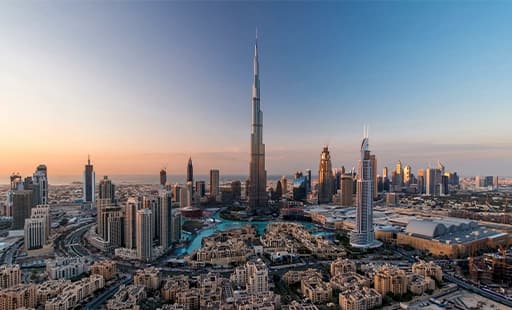
A commercial license is a legal permit issued by Dubai authorities that allows businesses to trade goods, conduct commercial activities, and operate within regulated markets. It is issued either by the mainland authority (Department of Economy & Tourism) or by a specific free zone, depending on where you choose to set up.
It is one of the most popular license types because it acts as a green light for almost any retail or wholesale business. Beyond just selling, it also gives you the legal right to import goods from abroad and export them to international markets, making it the backbone of Dubai's massive trade industry.
With this license, businesses can:
Sell products locally or internationally
Operate online or through physical stores
Engage in multiple commercial activities under one license
What makes a commercial licence particularly valuable is its flexibility. This single license can cover multiple related activities. This allows businesses to diversify their operations without needing separate approvals every time they expand their offerings.
A commercial licence is ideal for entrepreneurs and companies whose revenue comes from buying and selling products or commercial transactions. It supports both small startups testing a concept and large trading firms entering international markets.
It is best suited for —
business types
best suited
Companies dealing in physical goods such as electronics, textiles, food products, machinery, or consumer items.
Enables import, export, and distribution at scale.
Businesses selling products via websites, marketplaces, or social media platforms.
Ensures legal compliance for digital selling and payment processing.
Shops, showrooms, and bulk suppliers operating in local or international markets.
Allows both B2C and B2B operations.
Warehousing, distribution, and trading intermediaries.
Supports large-scale movement of goods.
Businesses dealing in multiple unrelated product categories.
Ideal for diversification and scaling.
Before choosing a commercial license, it is important to understand how it differs from other license types available in Dubai.
License Type
Suitable For
Key Features
Individual professionals
Low-cost, single-person setup
Each of these licenses defines your activity, compliance requirements, approvals, and operational scope.
Commercial licenses are flexible and can be structured based on the scale and nature of your business activities. Here are the most common ones:
This is one of the most popular commercial licenses in Dubai. It allows businesses to trade in a wide range of products under a single license, such as electronics, garments, food items, and household goods. It's ideal for entrepreneurs who want flexibility to trade multiple products without restrictions.

A specialised trading license is issued for businesses that deal in specific products or categories, such as food products, construction materials, cosmetics, or medical equipment. This license is suitable if your business focuses on one particular line of goods and may require additional approvals for certain items.
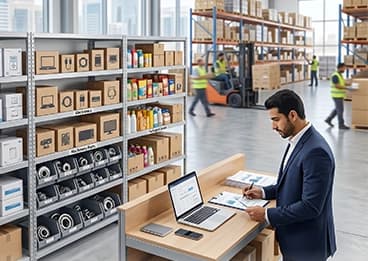
This license is designed for businesses selling products online through websites, mobile apps, or marketplaces like Amazon and Noon. It covers digital trading activities and is ideal for online stores, social media sellers, and home-based e-commerce businesses.

An import and export license allows businesses to bring goods into the UAE or export them to international markets. It is commonly used by trading companies involved in cross-border trade and often works alongside customs registration.

This type of commercial license is suitable for businesses selling goods directly to consumers (retail) or in bulk to other businesses (wholesale). It is commonly used by shops, showrooms, supermarkets, and distributors.
Your choice between mainland and free zone commercial licence is one of the most important decisions in the setup process. It affects your market access, cost structure, and long-term scalability.
The right choice depends on where your customers are and how you plan to grow. A structured assessment at this stage can save both cost and operational limitations later.
To apply for a commercial license in Dubai, you need to submit a few basic documents. The exact list may vary depending on whether you choose a mainland or free zone setup and the nature of your business activity, but most applications require the following:
Getting the documentation correct from the start helps you avoid delays and additional costs later.
The process of obtaining a commercial license is structured, but it requires careful attention to detail to avoid delays.
steps to get
your license
Start by deciding the exact trading activities you want to carry out. Dubai allows a wide range of commercial activities, and selecting the correct one is important to avoid compliance issues later.
Next, choose whether you want to set up your business in the Dubai mainland or a free zone. This decision depends on your target market, business model, budget, and future expansion plans.
Choose a unique business name that follows UAE naming guidelines. Once approved, the trade name is reserved with the relevant authority.
Initial approval confirms that the UAE authorities have no objection to your business setup. At this stage, you are allowed to move forward with documentation and office arrangements.
You must secure an office or workspace to proceed. Mainland businesses usually require an Ejari-registered office, while free zones may offer flexible options like shared desks or virtual offices.
Submit all required documents, including passport copies, MOA, lease agreement, and any external approvals if needed. Agreements are signed at this stage.
Once everything is approved, you pay the required license fees. After payment, your commercial license is issued, allowing you to legally start operations.
After license issuance, you can open a corporate bank account and apply for investor and employee visas as per your business needs.
When done correctly, the process can be completed within 5 to 15 working days.
The cost of setting up a commercial license varies depending on several factors, but having a clear estimate helps in planning effectively. In most cases, the starting cost ranges between AED 15,000 to AED 30,000 or more.
Free zone setups can be more cost-efficient for smaller businesses, while mainland setups may involve additional costs due to office requirements.
The total cost typically includes:
It is important to look beyond just the initial cost and consider renewal fees, visa costs, and compliance expenses as part of your long-term budget.
A commercial license does more than just make your business legal. It positions you within one of the most strategically connected markets in the world.
A commercial license allows you to legally buy, sell, import, export, and distribute goods. This means you can operate with confidence, work with suppliers, sign contracts, and trade across borders without restrictions or legal risks.

A commercial license gives you the flexibility to grow. You can add new products, open branches, upgrade office space, or increase visas as your business expands, without having to restructure your company every time.

With a valid commercial license, you can open a corporate bank account in the UAE, access trade finance, and build strong relationships with local and international banks. This is essential for smooth cash flow, payments, and business credibility.

Dubai allows full foreign ownership for most commercial activities, especially in free zones and many mainland sectors. This gives investors complete control over their business without the need for a local partner.

While a 9% corporate tax was introduced recently, it only applies to profits above AED 375,000. If your business is small or just starting out, you likely won't pay any corporate tax at all. Plus, there is still 0% personal income tax, meaning the salary you pay yourself stays entirely in your pocket.
These benefits make it one of the most preferred license types for entrepreneurs entering the UAE market.
Many businesses face delays in approval process due to some mistakes that can be easily avoided during their initial business decisions.
Here are some of the most common mistakes people make while securing a business licence —
A well-planned approach from the beginning ensures a smoother and more cost-efficient setup.
Setting up a business in Dubai is not just about completing formalities. It is about building a structure that supports your business from day one.
The jurisdiction you choose, the activities you register, and the way your license is structured will directly impact your market access, tax exposure, banking approvals, and long-term scalability. This is where most businesses make costly mistakes.
Shuraa India provides end-to-end business setup services, from choosing the right jurisdiction to final license approval, visa processing, and banking support.
Working with experienced Shuraa India consultants helps you:
Speak to our experts today and get your commercial license in Dubai quickly, compliantly, and without unnecessary delays.
The timeline typically ranges between 5 to 15 working days, depending on the completeness of your documents and the approvals required for your specific business activity.
Yes, most commercial activities now allow full foreign ownership, especially in free zones and across many mainland sectors, subject to the nature of the activity.
For mainland setups, a physical office is mandatory. Free zones, however, offer flexible options such as shared workspaces or flexi-desks.
A commercial license can typically include up to 10 related activities, depending on the approval from the authority.
The license is usually valid for one year and must be renewed annually to maintain compliance. Failure to renew your licence can result in penalties, fines, and possible suspension of business activities.
Yes, the commercial license allows import, export, and global trading. This makes it suitable for businesses targeting international markets.
A commercial license must be renewed annually by submitting required documents and paying the renewal fees to the relevant authority.
The commercial licence cost typically starts at AED 15,000 and can go up to AED 50,000 or more. The cost depends on the jurisdiction, business activity, office requirements, and visa needs.
Speak with Shuraa India for clear guidance on licensing, jurisdictions, visas, banking, and setup costs.