
Table of Contents
Dubai offers business opportunities across trading, professional services, manufacturing, tourism, and technology. Whether you want to launch a consultancy, open a retail store, start an e-commerce business, or establish a manufacturing company, choosing the right business licence is essential.
Understanding the different types of trade licences in Dubai helps entrepreneurs identify permitted activities, licensing requirements, and the approvals needed to operate legally.
The Dubai Department of Economy and Tourism (DET) oversees mainland business licensing, while individual free zone authorities issue licences within their respective jurisdictions.
For Indian entrepreneurs planning to expand into the UAE, selecting the correct licence is particularly important because it can affect company ownership, operational requirements, setup expenses, and market access.
This guide explains the types of trade licences in Dubai in 2026, their suitable business activities, differences, and important considerations before applying.
A trade licence in Dubai is an official authorisation allowing a business to conduct specified economic activities under the applicable regulations.
For mainland businesses, the Dubai Department of Economy and Tourism (DET) manages licensing, while free zone companies obtain licences from their respective authorities.
The licence determines which activities the company is authorised to undertake. Some businesses may also require additional approvals from specialised regulatory authorities.
For example, a consultancy generally requires a different licence category from a manufacturing company or retail trading business.
A valid business licence is essential for operating legally in Dubai.
It helps businesses:
However, obtaining a trade licence does not automatically guarantee visa approval, corporate bank account opening, or permission to conduct every type of business activity.
The main business licence categories are determined by the nature of the company’s activities.
A professional licence in Dubai is generally suitable for businesses providing specialised services based on professional knowledge, skills, or expertise.
This licence category is relevant to consultants, service providers, and businesses offering expertise-based services.
Certain regulated professions may require specific qualifications or external approvals.
Examples of professional activities include:
The availability of each activity and the required company structure must be confirmed with the relevant licensing authority.
Professional Licence Cost in Dubai: Costs depend on the approved activities, legal structure, premises, and licensing jurisdiction. An updated quotation is recommended before registration.
An industrial licence in Dubai is intended for businesses involved in manufacturing, processing, assembling, or producing goods.
Industrial activities often require suitable production premises and additional approvals relating to health, safety, environmental standards, or industrial operations.
Examples include:
Industrial businesses should confirm whether their proposed activities require additional approvals from the Ministry of Industry and Advanced Technology or other relevant authorities.
Industrial Licence Cost in Dubai: Expenses vary based on manufacturing activities, factory facilities, required approvals, and operational requirements.
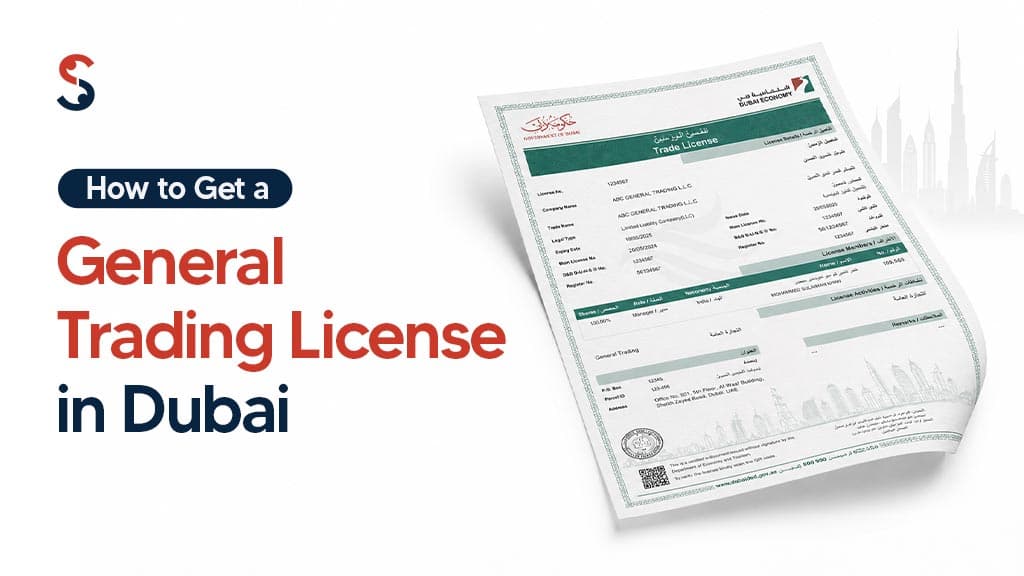
A commercial licence in Dubai allows businesses to conduct approved trading activities involving the purchase, sale, import, export, or distribution of goods.
It is commonly used by retailers, wholesalers, import-export companies, and other trading businesses.
The precise activities permitted under the licence depend on the classifications approved by the licensing authority.
Common examples include:
Certain products, including food, chemicals, medical equipment, and precious metals, may require additional approvals or sector-specific compliance.
Commercial Licence Cost in Dubai: Costs depend on the activity, mainland or free zone jurisdiction, company structure, premises, and applicable government fees.
A tourism licence in Dubai is relevant to businesses providing regulated travel and tourism services.
Dubai’s tourism industry supports opportunities for tour operators, travel agencies, destination management companies, and other tourism service providers.
Businesses must ensure that their specific tourism activities are authorised and meet the requirements of Dubai’s relevant tourism regulators.
Examples include:
Hotel operations, restaurants, car rentals, transport services, and insurance distribution may require separate licences or additional regulatory approvals. They should not automatically be treated as activities covered by a general tourism licence.
Tourism Licence Cost in Dubai: Fees depend on the permitted tourism activities, office requirements, approvals, and licensing arrangements.
The following comparison highlights the main differences between business licence categories.
| Licence Type | Suitable For | Examples of Activities |
|---|---|---|
| Commercial Licence | Trading companies | Retail, wholesale, import-export |
| Professional Licence | Service providers | IT, consultancy, marketing |
| Industrial Licence | Manufacturers | Production, assembly, processing |
| Tourism Licence | Travel businesses | Travel agencies, tour operators |
| Agricultural Licence | Agriculture businesses | Farming, agricultural production |
| Crafts Licence | Skilled trades | Carpentry, repair, craftsmanship |
These are broad economic licence categories. The final classification depends on the approved activity and the licensing authority.
Apart from the main economic licence categories, Dubai also provides additional licensing arrangements for eligible businesses.
These should not all be treated as separate, interchangeable trade licence categories.
Businesses selling goods or services online must obtain a licence that covers their intended e-commerce activities.
Depending on the business model, licensing may be available through Dubai mainland authorities or relevant free zones.
Eligible individuals may obtain freelance permits through designated licensing programmes or free zones.
These arrangements are intended for approved independent professional activities and are subject to programme-specific requirements.
Dubai offers an Instant Licence route for certain eligible business activities, providing a simplified licensing process.
Eligibility, required documents, and permitted activities depend on the applicable scheme.
Dubai’s E-Trader licensing programme is intended for eligible home-based or online business activities.
Nationality, residency, legal form, and activity restrictions may apply. Indian entrepreneurs should verify eligibility before selecting this option.
Agricultural and craft-related businesses fall within recognised economic activity categories.
These activities may involve farming, livestock-related operations, craftsmanship, or technical services, depending on the approved classification.
Healthcare providers and educational institutions require appropriate business licences and may also need additional approvals from sector regulators.
For example, healthcare activities may require authorisation from the Dubai Health Authority or another relevant regulator.
Choosing the appropriate licence depends on the nature of your business and how you intend to operate.
Start by listing the products you plan to trade or the services you intend to provide.
Your activities determine the appropriate licence category.
Dubai mainland and free zone authorities have different licensing frameworks.
A mainland licence may suit businesses that require direct access to the UAE market, while free zones may be suitable for particular industries or international business models.
Free zone companies may need additional approvals or arrangements to conduct certain mainland activities.
Certain activities require permissions from government or sector-specific authorities.
Confirm these requirements before finalising your company registration.
Some activities can operate from approved shared spaces, while others require commercial premises, workshops, warehouses, or industrial facilities.
Consider both initial registration expenses and recurring costs, including licence renewal, workspace arrangements, and applicable regulatory fees.
Choose a licence that supports your current operations while allowing you to apply for additional approved activities as your business expands.
Dubai mainland business licences generally require renewal according to their validity periods and applicable DET requirements.
The renewal process typically involves:
Renewal fees and documentation requirements vary according to the business activity, licence, and legal structure.
Businesses should check current renewal requirements directly with DET or their relevant free zone authority.
Yes, businesses can generally apply to add, remove, or modify permitted activities on an existing Dubai trade licence.
The process usually involves submitting an amendment request to the licensing authority.
Additional approvals may be necessary when the new activities fall under regulated sectors or require different premises.
Companies may also need to update their constitutional documents or related registration records, depending on their legal structure and the proposed amendment.
Approval and amendment fees depend on the nature of the changes.
Operating without the appropriate licence or continuing activities after a licence expires can result in regulatory penalties.
Depending on the violation and applicable legislation, consequences may include:
Businesses should maintain valid licences and ensure their activities match the permissions granted by the relevant authority.
Understanding the different types of trade licences in Dubai is an important first step when establishing a business in the UAE.
The right licence should match your business activities, legal structure, and operational plans while meeting applicable regulatory requirements.
At Shuraa India, our business setup consultants help Indian entrepreneurs understand UAE licensing options and choose suitable company formation arrangements.
Whether you’re planning to establish a consultancy, trading business, manufacturing company, or tourism-related venture, our team can guide you through the available licensing requirements.
Once you’ve identified the appropriate licence category, explore our detailed guide to obtaining a trade licence in Dubai for information about the application process, documents, costs, and business setup assistance.
Need help choosing the right trade licence? Contact Shuraa India for professional guidance on your UAE business setup requirements.
Dubai offers commercial, professional, industrial, tourism, agricultural, and crafts-related licence categories. Additional options include eTrader, Instant and Dual licences, depending on the business activity and applicant’s eligibility.
A commercial licence covers approved trading activities, while a professional licence generally applies to specialised services such as consultancy, IT, marketing, and other expertise-based businesses.
An e-commerce business needs a licence covering its approved online activities. The suitable licence depends on the products, business model, chosen jurisdiction, and applicable regulatory requirements.
Yes, Indian citizens can establish eligible businesses in Dubai and obtain appropriate trade licences. Ownership, documentation, and additional approvals depend on the selected activities and company structure.
Not always. Some compatible business activities can be included under one licence. However, certain activities may require separate licences or additional approvals from the relevant authorities.
Businesses may apply to amend their licence activities or classification, subject to authority approval. The changes may require additional documents, regulatory permissions, and applicable amendment fees.
An expired trade licence may result in penalties or operational restrictions. Businesses should renew their licences within the prescribed period and maintain any required regulatory approvals.

About the author
Kajol KanojiaKajol is a skilled writer and UAE corporate advisor with deep expertise in business consulting. She specializes in guiding entrepreneurs, simplifying UAE business setup, and navigating local regulations, market trends, and cultural nuances. Through her insightful blogs and practical advice, Kajol helps Indian and global entrepreneurs establish and grow their businesses in the UAE efficiently and successfully.
View all postsGet clear support on licensing, jurisdictions, visas, banking, and setup costs, all from one expert team.