Table of Contents
Starting a business in Dubai is an attractive option for entrepreneurs, investors, and companies planning to expand internationally. One of the most popular ways to establish a business is by obtaining a Dubai free zone license, which allows you to carry out approved commercial, professional, or industrial activities within a designated free zone.
Dubai’s free zones offer several advantages, including 100% foreign ownership, flexible office options, simplified company registration, and access to international markets. Whether you want to start a consultancy, trading company, e-commerce business, or manufacturing operation, you can choose a free zone that suits your business requirements.
However, the cost of obtaining a free zone license in Dubai depends on the selected authority, business activities, visa requirements, and workspace arrangements.
This guide explains the different types of free zone licenses, their benefits, setup costs, required documents, and the process of establishing a business in Dubai in 2026.
A Dubai free zone license is an official business permit issued by a recognised free zone authority. It allows an individual or company to conduct specific business activities within the licensing authority’s regulatory framework.
Each free zone has its own regulations, approved business activities, licensing packages, and facilities. Some cater to particular industries, such as technology, healthcare, logistics, and media, while others accommodate a wider range of business activities.
A freezone license can allow entrepreneurs to:
A free zone license in UAE is not the same as a mainland trade license. Free zone businesses must comply with the rules governing their jurisdiction, and mainland operations may require additional permits or approvals.
Obtaining a free zone license in Dubai offers several advantages for entrepreneurs looking to establish or expand their businesses.
One of the main advantages of setting up a company in a Dubai free zone is the ability to retain full foreign ownership.
Investors can own 100% of their company without needing a UAE national shareholder. This gives business owners greater control over company management, operations, and future expansion.
However, full foreign ownership is no longer exclusive to free zones. Many mainland business activities also permit 100% foreign ownership.
Dubai free zone companies may qualify for a 0% UAE corporate tax rate on Qualifying Income, provided they meet the conditions for a Qualifying Free Zone Person.
This benefit is not automatic. Free zone companies must satisfy applicable requirements concerning qualifying activities, economic substance, income composition, transfer pricing, and other tax obligations.
Income that does not qualify for the preferential treatment may be subject to the applicable corporate tax rules.
The UAE also does not generally impose personal income tax on individuals’ employment income.
These tax provisions make free zones attractive to certain businesses, although the actual tax benefit depends on the company’s activities and compliance status.
Dubai free zones provide structured company formation procedures, with many authorities offering online applications, document submission, and digital licensing services.
Depending on the jurisdiction and application, entrepreneurs may be able to complete much of the registration process remotely.
Processing times vary according to the selected license, shareholder structure, regulatory approvals, and documentation.
Dubai’s location between Asia, Europe, and Africa makes it a strategic base for international business.
Companies involved in import-export activities, e-commerce, distribution, logistics, and professional services can benefit from the city’s transport infrastructure and international connectivity.
Free zones located near major airports and seaports can be particularly suitable for businesses involved in global trade.
Several Dubai free zones support businesses operating in particular sectors.
For example, Dubai Internet City has a strong technology focus, Dubai Media City supports media-related businesses, and Dubai Healthcare City caters to healthcare and related activities.
Such industry-focused environments can provide access to specialised facilities, business communities, and opportunities for collaboration.
Free zone businesses generally benefit from the ability to repatriate profits and capital abroad, subject to applicable legal, banking, and regulatory requirements.
This provides flexibility for foreign investors managing international business operations.
Depending on the free zone and business activity, companies may choose from several workspace arrangements, including shared desks, serviced offices, private offices, and warehouses.
Businesses that do not require extensive physical infrastructure may find packages with shared workspace facilities more cost-effective.
Choosing the right free zone is an important part of the company formation process. Each jurisdiction offers different business activities, infrastructure, fees, and licensing requirements.
Here are some popular free zones in Dubai:
| Free Zone | Suitable Business Activities |
|---|---|
| International Free Zone Authority (IFZA) | Consultancy, trading, professional services, and other approved activities |
| Jebel Ali Free Zone (JAFZA) | Logistics, manufacturing, international trading, and distribution |
| Dubai Multi Commodities Centre (DMCC) | Commodities trading, professional services, and international businesses |
| Dubai Silicon Oasis (DSO) | Technology, innovation, and technology-related business activities |
| Dubai Airport Freezone (DAFZ) | Import-export, logistics, aviation-related activities, and trading |
| Dubai Media City | Media, advertising, publishing, and creative businesses |
| Dubai Internet City | IT, software, technology, and digital businesses |
| Dubai Healthcare City | Healthcare and related professional services |
| Meydan Free Zone | Trading, consultancy, e-commerce, and service businesses |
For businesses considering options elsewhere in the UAE, Ras Al Khaimah Economic Zone (RAKEZ) is another option worth comparing. However, RAKEZ is located in Ras Al Khaimah, not Dubai.
The best free zone depends on more than the initial license price. Consider whether the authority permits your intended activities, the number of visas required, workspace availability, renewal charges, and future expansion plans.
Different business activities require different types of licenses. Choosing the appropriate category helps ensure that your company can operate legally within its approved scope.
A commercial license is intended for businesses involved in trading goods, importing, exporting, and distributing approved products.
Depending on the free zone, a commercial license may cover activities such as:
The number of activities that can be included under one license varies by free zone and licensing package.
Businesses intending to conduct multiple unrelated trading activities may need a general trading license or additional approvals.
An industrial license is suitable for companies involved in manufacturing, processing, production, assembly, and related industrial activities.
Common examples include:
Industrial businesses may need specialised facilities, environmental approvals, safety clearances, and other permits depending on their operations.
A professional or service license is intended for individuals and companies providing approved specialised services.
These may include:
Certain regulated activities, including some engineering, education, healthcare, and financial services, require additional approval from the relevant authorities.
A freelance permit is suitable for eligible individuals who want to provide services independently.
Depending on the free zone, freelance activities may include media production, content creation, design, technology, and education-related services.
Freelance permits can differ from company licenses in terms of legal structure, permitted activities, visa eligibility, and the ability to hire employees.
An e-commerce license permits approved online commercial activities, such as selling products through websites, marketplaces, and other digital channels.
Companies must comply with relevant consumer protection, customs, product approval, tax, and mainland trading requirements.
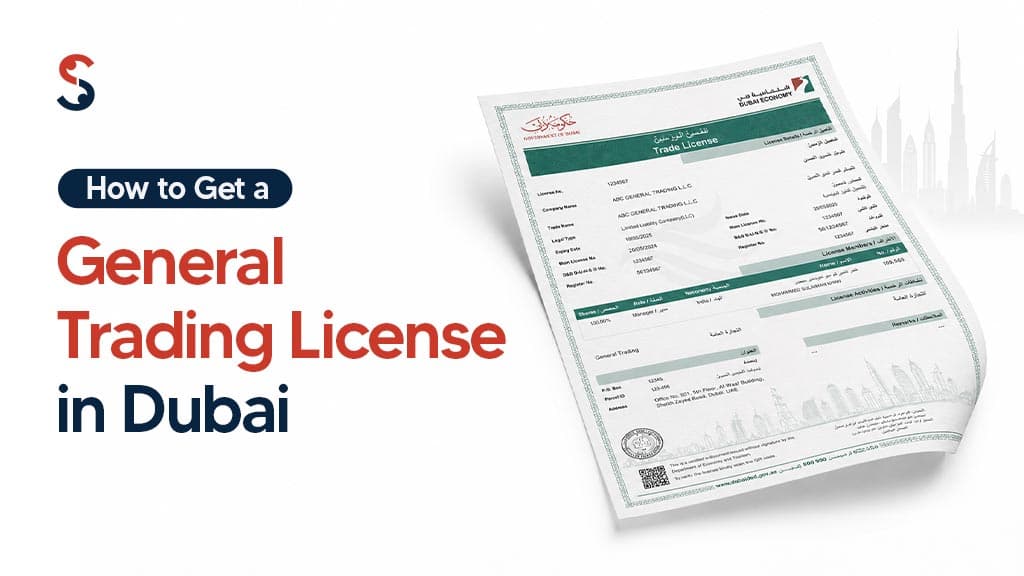
A general trading license may allow companies to trade in multiple categories of permitted goods.
However, it does not automatically authorise trading in every product category. Regulated or restricted goods can require additional approvals.
The exact license categories available depend on the selected free zone authority.
The documents required to obtain a free zone license Dubai authorities issue depend on the business activity, legal structure, and selected jurisdiction.
For individual shareholders, the commonly requested documents include:
If a company is establishing a branch or another company is becoming a shareholder, additional documents may include:
Not every free zone requires all these documents. Some authorities offer simplified registration for individuals applying for standard business activities.
Businesses operating in regulated sectors may also need approval from the relevant government or industry regulator.
Obtaining a Dubai free zone license involves choosing the right jurisdiction, identifying your permitted business activities, registering the company, and completing the required licensing formalities.
Here’s how the process generally works.
Start by comparing free zones based on your business activities, estimated setup costs, location, visa requirements, and infrastructure.
For instance, a technology company may consider Dubai Silicon Oasis or Dubai Internet City, while a logistics business may prefer JAFZA or Dubai Airport Freezone.
A consultancy or small trading company might consider IFZA or Meydan Free Zone, depending on the activities permitted and the required facilities.
Identify the activities your company intends to perform.
Your selected activities determine the type of license required and may influence the cost, regulatory approvals, and business operations permitted.
A free zone trade license in Dubai is suitable for approved commercial trading activities, while professional or service businesses generally require the corresponding service or consultancy license.
Confirm that all intended activities are covered before proceeding with registration.
Select the company structure supported by your free zone.
Common options include:
The legal terminology and eligibility requirements vary between authorities. For example, some jurisdictions permit single-shareholder and multi-shareholder companies under the same FZ-LLC structure.
Choose a suitable company name and submit it for approval.
The proposed name must comply with the naming requirements of the relevant free zone authority.
Avoid names that are misleading, offensive, already registered, or restricted under applicable regulations.
Some authorities allow trade name reservation to be completed during the online registration process.
Gather the required identification documents, application forms, shareholder information, and supporting certificates.
Submit your application to the selected free zone authority, along with details of your business activities, legal structure, and preferred licensing package.
The authority may request additional documents or clarification before granting approval.
Choose a business facility that meets the free zone’s licensing and operational requirements.
Depending on the jurisdiction, the available options may include:
Some free zones offer packages with shared workspace access, while certain activities require dedicated premises.
The workspace arrangement can also affect visa eligibility and the overall cost of your business license.
Once the application is approved, pay the applicable registration, licensing, and facility charges.
Review the invoice to understand which services are included and which require additional payment.
For example, a basic license package may not include residence visas, immigration services, Emirates ID processing, or dedicated office rental.
After completing the required procedures and payments, the free zone authority issues the company registration documents and business license.
Your license specifies the activities your company is authorised to conduct.
Check its validity period and conditions carefully. You must renew the license as required and obtain approval before undertaking activities outside its permitted scope.
If your chosen package provides visa eligibility, you can begin the relevant immigration procedures for investors, shareholders, or employees.
Depending on the applicant’s circumstances, this may involve an establishment or immigration file, entry permit or status adjustment, medical fitness examination, Emirates ID application, and residence permit issuance.
The number of visas available depends on the selected free zone, package, facility, and immigration rules. It is not determined by office size alone.
After company registration, you can apply for a UAE corporate bank account.
Banks generally assess the business activities, ownership structure, expected transactions, source of funds, and supporting documentation before approving an application.
Obtaining a free zone license does not guarantee bank account approval. The bank may request additional information or conduct further due diligence.
The Dubai free zone license cost depends on the chosen free zone, business activities, number of shareholders, visa requirements, and workspace arrangements.
For example, Meydan Free Zone advertises business licensing packages starting from AED 12,500 per year in 2026. This entry-level package includes company registration and a trade license, while services such as visa processing and certain office upgrades are charged separately.
Quick & Fast Business Setup
Other free zones may have different pricing structures, especially for industrial activities, premium business locations, specialised facilities, and larger visa allocations.
| Cost Component | What Affects the Cost |
|---|---|
| Business license | Free zone, activity type, and license category |
| Company registration | Authority and legal structure |
| Office or flexi-desk | Facility type, location, and workspace size |
| Visa allocation | Number of visas required |
| Residence visa processing | Applicant category and immigration requirements |
| Medical fitness and Emirates ID | Applicant status and applicable government fees |
| Additional approvals | Regulated business activities |
| PRO and administrative services | Scope of assistance and services included |
These components are not necessarily charged separately. Some free zones combine registration, licensing, and workspace access into one package.
A basic Dubai free zone license can start at approximately AED 12,500 per year with providers such as Meydan Free Zone. This is an example of an advertised entry-level package, not a standard government-wide price or the minimum across every Dubai free zone.
Your total setup cost may be higher if you require residence visas, additional activities, a dedicated office, or specialised regulatory approvals.
For an accurate quotation, compare packages based on your actual business requirements rather than the advertised license price alone.
Several factors determine the amount you pay to establish and maintain a free zone company.
1. Selected Free Zone: Each authority has its own pricing policies, licensing packages, and infrastructure.
2. Business Activities: Some activities require additional approvals, permits, or specialised facilities.
3. Number of Shareholders: Certain packages have restrictions or different requirements for multiple shareholders and corporate shareholders.
4. Visa Requirements: Additional visa allocations and residence permit applications increase the overall cost.
5. Office Requirements: Shared workspaces are generally more economical than dedicated offices, warehouses, or industrial facilities.
6. License Duration: Some authorities offer annual and multi-year licensing packages. Multi-year options may provide savings, but the terms and renewal conditions should be reviewed.
7. Additional Services: Document attestation, banking assistance, accounting, tax registration support, and other professional services can result in additional charges.
When comparing the free zone license cost in Dubai, ask for a detailed quotation covering both initial setup expenses and annual recurring charges.
A Dubai free zone license must be renewed according to its validity period and the requirements of the issuing authority.
Renewal costs vary depending on the free zone, type of license, facility lease, business activities, and selected services.
Some businesses may pay an amount similar to their annual licensing package, while others may face additional charges related to office rental, immigration files, or outstanding compliance obligations.
To renew your license, you will generally need to:
Some free zones may also require additional corporate documentation, financial statements, or compliance declarations.
Tip: Before choosing a low-cost free zone package, confirm the renewal price and whether the initial quotation includes a promotional discount that will not apply in subsequent years.
A Dubai free zone company cannot assume that its free zone license automatically authorises unrestricted trading across the UAE mainland.
Mainland operations are subject to applicable licensing and regulatory requirements.
However, Dubai has introduced additional options for eligible free zone businesses.
In October 2025, the Dubai Department of Economy and Tourism announced the Free Zone Mainland Operating Permit, supporting eligible free zone companies seeking to conduct approved activities on the Dubai mainland.
This initiative was introduced under Dubai Executive Council Decision No. 11 of 2025.
Depending on the activity and eligibility requirements, a business may be able to operate through an approved mainland permit, branch, company, or other permitted arrangement.
Businesses should confirm their eligibility with the relevant free zone authority and Dubai Department of Economy and Tourism before conducting mainland operations.
Starting a free zone company does not automatically make a business exempt from UAE tax obligations.
Understanding the rules is important before deciding on the most suitable company structure.
Under the UAE Corporate Tax framework, a Qualifying Free Zone Person may benefit from a 0% corporate tax rate on Qualifying Income.
To qualify, a company must meet the applicable requirements. These can include maintaining adequate substance, deriving qualifying income, meeting the conditions for audited financial statements, and complying with other relevant tax rules.
Companies that do not meet the requirements are subject to the applicable corporate tax regime.
Free zone companies generally also have corporate tax registration and filing obligations, even where the 0% qualifying income treatment applies.
The UAE generally applies a standard VAT rate of 5% to taxable supplies, subject to applicable exemptions and zero-rating rules.
For UAE-resident businesses, mandatory VAT registration generally applies when taxable supplies and imports exceed AED 375,000 over the previous 12 months or are expected to exceed this threshold in the next 30 days.
Voluntary registration may be available when the relevant threshold of AED 187,500 is met.
The VAT treatment of free zone transactions depends on the nature of the supply and the applicable rules. A free zone location does not automatically exempt a company from VAT.
Both free zone and mainland licenses allow entrepreneurs to establish businesses in Dubai, but their operating permissions and requirements differ.
| Factor | Dubai Free Zone License | Dubai Mainland License |
|---|---|---|
| Issuing authority | Relevant free zone authority | Dubai Department of Economy and Tourism |
| Foreign ownership | Generally 100% | 100% for most permitted activities |
| Business activities | Activities approved by the free zone | Activities approved under mainland licensing |
| Mainland operations | Subject to relevant permits or approvals | Generally permitted under the approved license scope |
| Office requirements | Flexible options depending on the authority | Premises requirements depend on activity and license |
| Corporate tax | Potential 0% on Qualifying Income if conditions are met | Standard UAE Corporate Tax framework applies |
| Visa eligibility | Based on free zone rules and package | Based on applicable immigration and employment requirements |
| Suitable for | International trade, services, specialised sectors, and eligible startups | Businesses needing direct access to the wider UAE market |
A free zone license may be suitable if you mainly serve international customers, require specialised infrastructure, or prefer a particular free zone’s business ecosystem.
A mainland license may be more appropriate if your business needs direct, unrestricted access to customers across the UAE under its approved activities.
The cheapest license is not always the most suitable option.
Before making a decision, consider the following questions:
For example, a digital marketing consultancy may prioritise a flexible workspace and a straightforward licensing process, while an import-export business may place greater importance on customs facilities and logistics infrastructure.
Selecting a free zone based on the company’s actual operations can help avoid unnecessary costs and licensing difficulties later.
Establishing a business in a Dubai free zone can be an effective way to enter the UAE market and expand internationally. However, choosing the right authority, understanding licensing requirements, and calculating the total setup cost are important steps.
At Shuraa India, we assist entrepreneurs and businesses with the company formation process, from selecting a suitable free zone to completing the required licensing formalities.
Our services include:
Whether you are starting a consultancy, e-commerce business, trading company, or professional service firm, our team can help you understand your licensing options and associated costs.
Explore our free zone company formation services in Dubai or speak with our business setup consultants to discuss your requirements.
Get in touch with Shuraa India to explore suitable Dubai free zone license options and request a customised quotation.
The cost depends on the selected free zone, business activities, workspace, and visa requirements. For example, Meydan Free Zone advertises entry-level business licenses starting from AED 12,500 annually. Visa processing and additional services may cost extra.
Some Dubai free zones offer licensing packages with flexi-desk or shared workspace arrangements, allowing eligible businesses to avoid leasing a dedicated private office. However, the company must still meet the facility requirements of its selected authority.
Yes. Indian entrepreneurs can establish eligible businesses in Dubai free zones with 100% foreign ownership. The application requirements depend on the selected authority, business activity, and shareholder structure.
Yes. Several Dubai free zones offer online company registration, allowing eligible applicants to complete much of the process remotely. However, UAE residency procedures and bank account applications may require additional verification or an in-person visit.
The timeline depends on the free zone, license type, completeness of documentation, and required approvals. Some authorities offer expedited issuance for eligible applications, while more complex setups may take longer.
A free zone trade license authorises the business activities approved by the issuing authority. It does not automatically permit unrestricted trading across the mainland UAE. Additional licences, permits, or approved arrangements may be required.
No. The 0% corporate tax rate applies to Qualifying Income earned by a Qualifying Free Zone Person that meets the relevant requirements. Free zone registration alone does not guarantee this treatment.
Yes, many free zones offer license packages with investor or employee visa eligibility. The availability and number of visas depend on the selected package, authority, facility, and immigration requirements.
The cheapest available option depends on current promotions, the required activities, and whether visas or workspace upgrades are needed. Comparing complete first-year and renewal costs is more useful than comparing advertised starting prices alone.
Yes. Companies registered in Dubai free zones can apply for UAE corporate bank accounts. Approval is subject to the bank’s due diligence, documentation, business activity assessment, and compliance requirements.
A free zone license is issued by a free zone authority and operates under its regulatory framework. A mainland license is issued through the mainland licensing framework and generally allows direct business activity across the UAE within the approved scope.
You can renew your license through the issuing free zone authority by satisfying its renewal requirements, updating relevant information, maintaining required facilities, and paying applicable renewal fees.

About the author
Kajol KanojiaKajol is a skilled writer and UAE corporate advisor with deep expertise in business consulting. She specializes in guiding entrepreneurs, simplifying UAE business setup, and navigating local regulations, market trends, and cultural nuances. Through her insightful blogs and practical advice, Kajol helps Indian and global entrepreneurs establish and grow their businesses in the UAE efficiently and successfully.
View all postsGet clear support on licensing, jurisdictions, visas, banking, and setup costs, all from one expert team.